Brain Training for a Brighter Future
Living with Mild Cognitive Impairment (MCI) or dementia can be challenging, but it’s important to remember that you’re not alone. Brain training offers a promising approach to improve cognitive function, mood, and overall well-being.
Our Brain Training Sessions
Our sessions are designed to stimulate the mind, encourage social interaction, and enhance quality of life. Each session is tailored to individual needs and preferences, focusing on:
- Memory enhancement: Exercises to improve recall and recognition.
- Problem-solving: Activities to sharpen critical thinking and decision-making skills.
- Language skills: Games and discussions to maintain communication abilities.
- Social engagement: Opportunities to connect with others and build relationships.
The Benefits of Brain Training
Research has shown that brain training can:
- Slow cognitive decline
- Improve memory and attention
- Enhance mood and reduce anxiety
- Increase independence and self-esteem
- Strengthen social connections
Caregiver Support
We understand the challenges faced by caregivers. Our sessions offer respite and support, providing you with valuable tools and resources. By participating in our activities together, you can strengthen your bond and create lasting memories.
Discover the joy and benefits of brain training. Our supportive environment and engaging activities create a positive and uplifting experience.
Reminiscence: A Journey Through Memory
Reminiscence is a gentle and powerful tool that can significantly enhance mood, self-esteem, and cognitive function. By exploring the rich tapestry of life experiences, individuals can rediscover their personal history and find renewed purpose.
Our memories shape who we are. Recognizing and valuing someone’s life story is essential at every stage of life. Reminiscence goes beyond casual conversation; it’s a deep connection to the past that empowers individuals to share their unique stories.
Whether young or old, everyone can engage in reminiscence. By reflecting on past experiences, people often experience improved mood, cognition, and overall well-being.
Memory Prompts
To stimulate memories, we use a variety of prompts, including:
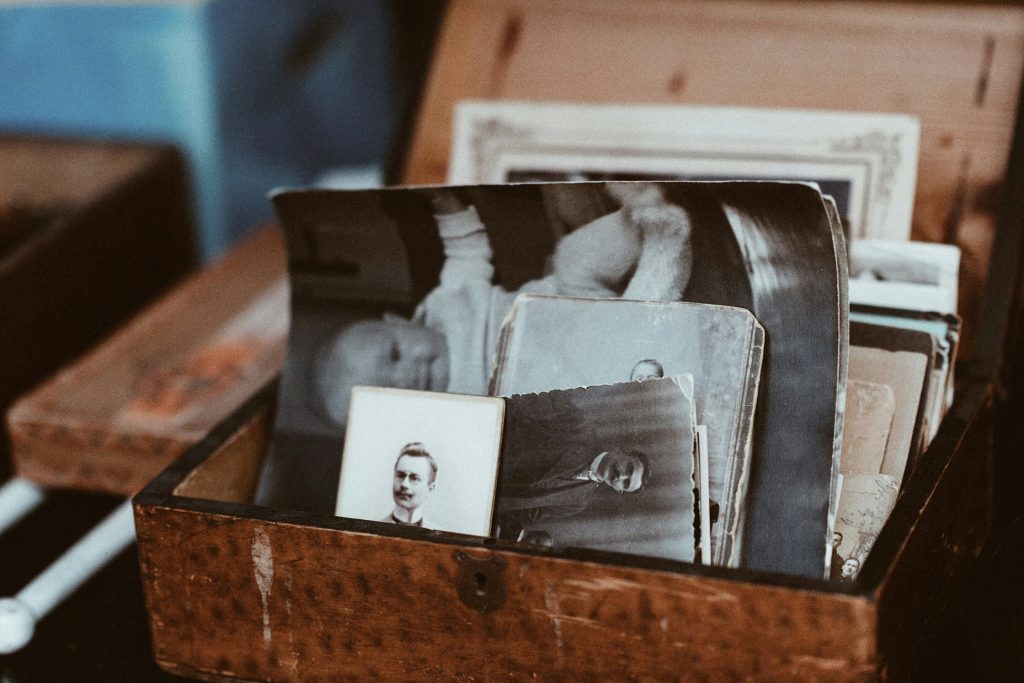
- Tangible objects: cherished possessions like teddy bears, photographs, or handmade items
- Visual cues: old photographs, images of past times, or even nature scenes
- Auditory stimuli: music from different eras
Personal Memory Boxes
A personal memory box is a treasure trove of photographs and meaningful items that spark conversations and connections. Curating a memory box is a joyful activity that can be shared with loved ones. The box becomes a valuable resource for reminiscing and preserving family history.
I’m here to help you create a personal memory box that celebrates your unique life story.