Every brain changes with age, and mental function changes along with it. Mental decline is common, and it’s one of the most feared consequences of aging. But cognitive impairment is not inevitable. Here are 10 ways how you can help maintain brain function.
- Get mental stimulation
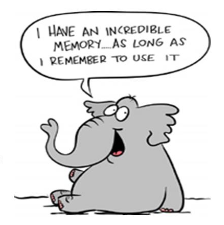
Many research have been done during last years and they keep showing that brainy activities stimulate new connections between nerve cells. They may even help the brain generate new cells and build up a functional reserve that provides a hedge against future cell loss.
Any mentally stimulating activity should help to build up your brain. Do not stick with one only – practise as wide variety as possoble – read books, take courses, challenge yourself with brain teasers, do word puzzles, math problems, sudoku, wordsearch, quizes, etc. Experiment with things that require manual dexterity as well as mental effort, such as drawing, painting, knitting, making origami and many other.
- Get physical exercise
Research shows that using your muscles also helps your mind. Regular exercise leads to increase of the number of tiny blood vessels that bring oxygen-rich blood to our brain. Exercise also spurs the development of new nerve cells and increases the connections between brain cells. This results in brains that are more efficient, plastic, and adaptive. Exercise also lowers blood pressure, improves cholesterol levels, helps blood sugar balance and reduces mental stress, all of which can help your brain as well as your heart.
- Improve your diet
Good nutrition can help your mind as well as your body. For example, people that eat a Mediterranean style diet that emphasizes fruits, vegetables, fish, nuts, unsaturated oils (olive oil) and plant sources of proteins are less likely to develop cognitive impairment and dementia.
- Don’t abuse alcohol
Excessive drinking is a major risk factor for dementia. If you choose to drink, limit yourself to two drinks a day.
- Improve your blood pressure
High blood pressure in midlife increases the risk of cognitive decline in old age. Stay lean, exercise regularly, limit your alcohol intake, reduce stress, and eat right. Use lifestyle modification to keep your pressure as low as possible.
- Improve your blood sugar
Diabetes is an important risk factor for dementia. You can help prevent diabetes by eating right, exercising regularly, and staying lean. But if your blood sugar stays high, you’ll need medication to achieve good control.
- Improve your cholesterol
High levels of LDL (“bad”) cholesterol are associated with an increased the risk of dementia. Diet, exercise, weight control, and avoiding tobacco will go a long way toward improving your cholesterol levels. But if you need more help, speak to your GP about medication.
- Care for your emotions
People who are anxious, depressed, sleep-deprived, or exhausted tend to score poorly on cognitive function tests. Poor scores don’t necessarily predict an increased risk of cognitive decline in old age, but good mental health and restful sleep are certainly important goals.
- Build social networks
Strong social ties have been associated with a lower risk of dementia, as well as lower blood pressure and longer life expectancy. Results from longitudinal studies suggest that degree of social engagement, marriage, living with someone and avoiding loneliness may have a protective effect on developing dementia.
- Protect your head
Moderate to severe head injuries, even without diagnosed concussions, increase the risk of cognitive impairment. Avoid any possible falls and always wear a helmet made for the sport you’re playing.
It does not sound so complicated, does it? Give it a try and see how you feel.